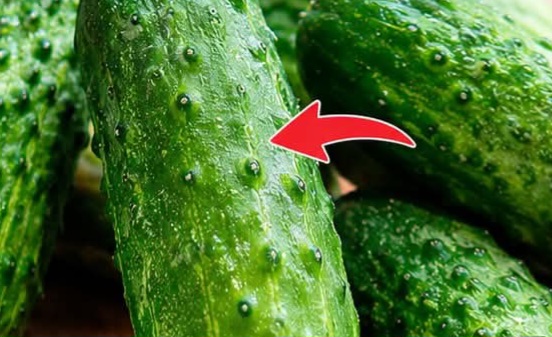

Why Some People Experience Bloating or Discomfort InsteadThe same cucumber that hydrates so well can trigger bloating, gas, or mild cramps in sensitive individuals. The main culprit is cucurbitacin, a natural plant compound concentrated in the skin and seeds. This compound acts as a defense mechanism for the plant but can ferment in the gut of people with slower digestion, IBS tendencies, or sensitive stomachs, producing gas and that uncomfortable “puffed up” feeling.But that’s not the whole picture. Many store-bought cucumbers, especially non-organic varieties, carry higher pesticide residues on the skin. Daily exposure adds up, and while washing helps, it doesn’t remove everything. For people already dealing with hormonal balance or liver load concerns, this becomes another reason to rethink how they prepare their cucumbers.Another frequently overlooked factor is oral allergy syndrome (OAS). If you have pollen allergies (particularly ragweed or birch), the proteins in raw cucumber can cross-react and cause itching or tingling in the mouth, lips, or throat. Cooking usually deactivates these proteins, which is why some people tolerate cooked or pickled cucumber better than raw salad versions.The Tomato Combination Most Articles Never MentionOne of the biggest “aha” moments for many readers involves pairing cucumbers with tomatoes. In traditional digestive wisdom and supported by some modern observations, these two digest at noticeably different rates. Cucumbers move through quickly, while tomatoes linger longer. When they mix in the stomach, especially with acidic dressings like vinegar or lemon, the result can be fermentation, heaviness, or cramping for sensitive people.Eating this combination late in the day tends to worsen the effect because digestion naturally slows in the evening. The solution isn’t necessarily banning tomatoes forever, but being intentional about timing and pairings.Practical Comparison: Common Issues vs. Simple FixesCommon Issue Likely Trigger Easy AdjustmentBloating or gas Cucurbitacin in skin and seeds Peel and remove seeds, start with small portionsHeaviness after salad Cucumber + tomato + acidic dressing Swap tomato for leafy greens or avocado; use olive oil + herbsMouth itching or tingling Pollen allergy cross-reaction Try cooked or lightly pickled cucumberReflux flare Raw cucumber + acidic additions Peel, eat earlier in day, avoid on empty stomachPesticide concern Non-organic skin residues Choose organic or soak in baking soda water 10–15 minThis table shows how most discomfort comes from preparation or combination rather than the cucumber itself.Your Step-by-Step Guide to Enjoying Cucumber Salads Every DayYou don’t have to give up cucumber salads. You just need a smarter approach. Follow these steps and most people notice a clear difference within a few days.Test your tolerance first. Begin with a small amount (¼ to ½ a peeled cucumber) and monitor how your body responds over 24 hours before increasing.Prep with purpose. Peel the skin and scoop out the seeds if you tend toward bloating. This single change dramatically reduces cucurbitacin exposure for most sensitive individuals.Choose compatible pairings. Build salads around leafy greens, fresh herbs, avocado, cucumber, and a simple olive oil dressing. Save tomatoes or limit acidic elements (vinegar, citrus) to earlier meals.Mind the timing. Enjoy cucumber salads at lunch or early afternoon rather than dinner when digestion is slower.Address pesticide load. Opt for organic cucumbers when possible. If using conventional ones, soak in a baking soda solution (1 teaspoon per quart of water) for 10–15 minutes, then rinse thoroughly.Listen and adjust. Keep a simple note for a week: how you feel after eating cucumber salad, what you paired it with, and whether you peeled it. Patterns become obvious quickly and let you personalize the approach.Here’s the part that surprises most people: once these tweaks become habit, many find they can actually eat cucumber more often without issues because their body isn’t fighting unnecessary irritation.What the Research Actually ShowsLarge reviews and clinical observations consistently support cucumbers as a low-risk, nutrient-dense vegetable when prepared appropriately. Studies on high-water, low-calorie foods link them to better hydration and easier weight management. Potassium-rich vegetables like cucumber appear in dietary patterns associated with healthy blood pressure. Antioxidant research, including the 2015 cucumber powder trial, demonstrates measurable improvements in the body’s defense systems.At the same time, gastroenterologists and allergists note that individual responses vary. People with diagnosed digestive conditions, pollen allergies, or those on certain medications (especially blood pressure or blood-thinning drugs) benefit most from personalized guidance. The key message from experts is consistent: cucumbers are generally supportive, but how you prepare and combine them determines whether you experience the upsides or the occasional downsides.Final ThoughtsCucumbers in salads every day can be a genuinely helpful habit for hydration, gentle fiber, and low-calorie volume. The “doctors reveal” part isn’t that cucumbers are secretly harmful. It’s that a few overlooked details—skin and seeds, certain pairings, timing, and sourcing—make the difference between feeling great and feeling bloated or uncomfortable.Once you apply the simple adjustments above, most people rediscover why cucumbers earned their healthy reputation in the first place. Your body gets the hydration and nutrients without the unwanted side conversations.Frequently Asked QuestionsCan eating cucumber every day cause bloating?Yes, it can in some people. The natural compound cucurbitacin in the skin and seeds ferments in sensitive digestive systems and produces gas. Peeling and deseeding usually solves this for most individuals.Is it safe to eat cucumber salad every single day?For the majority of healthy adults, yes. The benefits around hydration and low-calorie nutrition are well-supported. People with IBS, pollen allergies, low blood pressure, or on specific medications should start slowly and consult a healthcare provider if they notice persistent issues.Should I peel cucumbers before putting them in salad?If you experience any bloating, gas, or discomfort, yes—peeling and removing seeds makes a noticeable difference. If you tolerate them well with skin on, you can keep some skin for extra fiber and vitamin K, but always wash thoroughly.Disclaimer: This article is for informational and educational purposes only. It is not intended as medical advice, diagnosis, or treatment. Always consult a qualified healthcare professional before making significant changes to your diet, especially if you have existing medical conditions, take medications, or experience persistent symptoms. Individual responses to foods vary.
Doctors Reveal What Really Happens When You Eat Cucumber in Salads Every Day