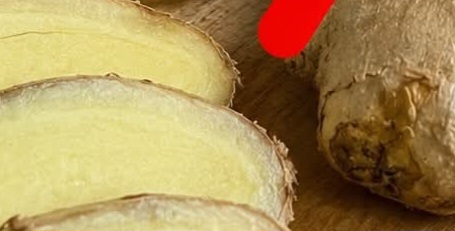

Why Ginger Gets So Much Attention in Wellness CirclesGinger has been a go-to ingredient for generations, often praised for its aromatic qualities and potential to support everyday comfort. But here’s the part that surprises many readers: its active compounds, like gingerols, can influence blood flow, digestion, and more in noticeable ways.But that’s not all. Understanding when to step back can help you make smarter daily choices without guesswork.1. Concerns Around Bleeding or Blood ClottingOne important area involves how ginger may affect the body’s natural clotting processes. Studies indicate it can have mild blood-thinning properties, which might increase risks for individuals already managing bleeding-related issues.This becomes especially relevant if you’re on medications that influence clotting or have a history of related challenges. Many health professionals suggest discussing your habits with a doctor to stay on the safe side.Key points to consider:Monitor overall intake if you notice easy bruising or other signs.Opt for smaller amounts in cooking rather than concentrated forms.Always check with your healthcare provider about timing around procedures.2. Gallbladder and Bile Flow ConsiderationsGinger is known to stimulate digestive juices, which can be helpful for some but potentially aggravating for others with gallbladder concerns like gallstones. Research points to its ability to promote bile production, something that may not suit every digestive system.Here’s the interesting part: What feels like a simple spice can quietly influence bile dynamics, leading experts to advise moderation or avoidance in certain cases.If you’ve been advised to watch gallbladder health, swapping in gentler alternatives like mild herbs might feel like a more comfortable fit.3. Blood Pressure ManagementFor those working to maintain steady blood pressure levels, ginger’s potential effects on circulation deserve a closer look. It may support relaxation in blood vessels for some people, but this same quality can interact with existing routines aimed at blood pressure support.The truth is, combining it with certain approaches might lead to shifts that feel surprising. Tracking how your body responds is a smart habit.Simple daily swaps, such as using other warming spices, can keep meals flavorful while aligning better with your needs.4. Blood Sugar BalanceGinger can influence how the body handles glucose, which is why individuals focusing on stable energy and sugar levels often hear mixed guidance. It may support healthy responses in some contexts but could amplify effects when paired with other strategies.This is particularly relevant for anyone following a structured plan for metabolic wellness. Small adjustments, like reducing portions or timing, help maintain balance.Actionable tip: Keep a simple food journal noting how different ingredients affect your daily feel—many people discover patterns that guide better decisions.5. Pre-Surgery or Heart-Related RoutinesBecause of its influence on circulation and clotting, many experts recommend pausing ginger in the weeks leading up to any scheduled medical procedures. This precaution helps minimize any added variables during recovery.High doses might also warrant extra thought for those with certain heart considerations. The key is open communication with your care team.Practical Ways to Enjoy Ginger Safely (When It Fits Your Situation)When ginger aligns with your health profile, here’s how many people incorporate it thoughtfully:Start with small amounts in teas or recipes to observe personal tolerance.Pair it with balanced meals rather than consuming it on its own in large quantities.Choose fresh root over supplements for more control over dosage.Consult a professional before making it a daily staple if you manage any ongoing concerns.But wait—there’s more. Many readers find that understanding these nuances opens the door to even better overall habits.Comparing Ginger Alternatives for Everyday UseSituation Ginger Consideration Gentler OptionsDigestive comfort May stimulate strongly Chamomile or fennelWarming flavor Blood flow effects Cinnamon or turmeric (in moderation)Daily tea Potential interactions Lemon balm or mintThis quick reference helps visualize choices that suit different needs.Wrapping It Up: Making Informed ChoicesGinger remains a beloved kitchen favorite for good reason, but awareness of personal health factors empowers smarter decisions. By staying informed and consulting professionals, you can navigate everyday ingredients with confidence and continue supporting your wellness journey.3 FAQs1. Can I still use ginger occasionally if I have one of these concerns? Many people find small amounts in cooking are well-tolerated, but it’s always best to check with your healthcare provider for personalized guidance.2. What are common signs that ginger might not agree with my body? Some notice mild digestive shifts, changes in energy, or other subtle responses—listening to these cues helps guide adjustments.3. Are there safe ways to enjoy similar flavors without the same considerations? Yes—milder spices and herbs often provide warmth and aroma while fitting a wider range of routines.Disclaimer: This article is for informational purposes only and is not intended as medical advice. Always consult with a qualified healthcare professional before making changes to your diet or supplement routine, especially if you have existing health conditions or take medications.
Doctors Reveal Why You Might Need to Avoid Ginger If You Have These 5 Common Health Concerns